
The electricity network as we know it was designed for a world in which energy left a few large power stations and arrived at many passive consumers. That model no longer describes reality: there are photovoltaic systems on roofs feeding energy back into the grid, electric vehicles in garages drawing significant power, and flows that change direction several times during the day.
Smart grids come from this need. They are networks in which distribution is accompanied by metering, communication and control: sensors in substations, smart meters, and remotely operated switchgear that let the distributor see in real time what is happening and act without sending a crew to site.
There are three concrete benefits. The first is shorter outage times: a remotely controlled network locates and isolates the faulty section within minutes, restoring supply upstream and downstream while the repair is still under way. The second is the capacity to host more distributed generation without local overloads. The third is data-driven maintenance, which allows work where it is actually needed rather than on a fixed calendar.
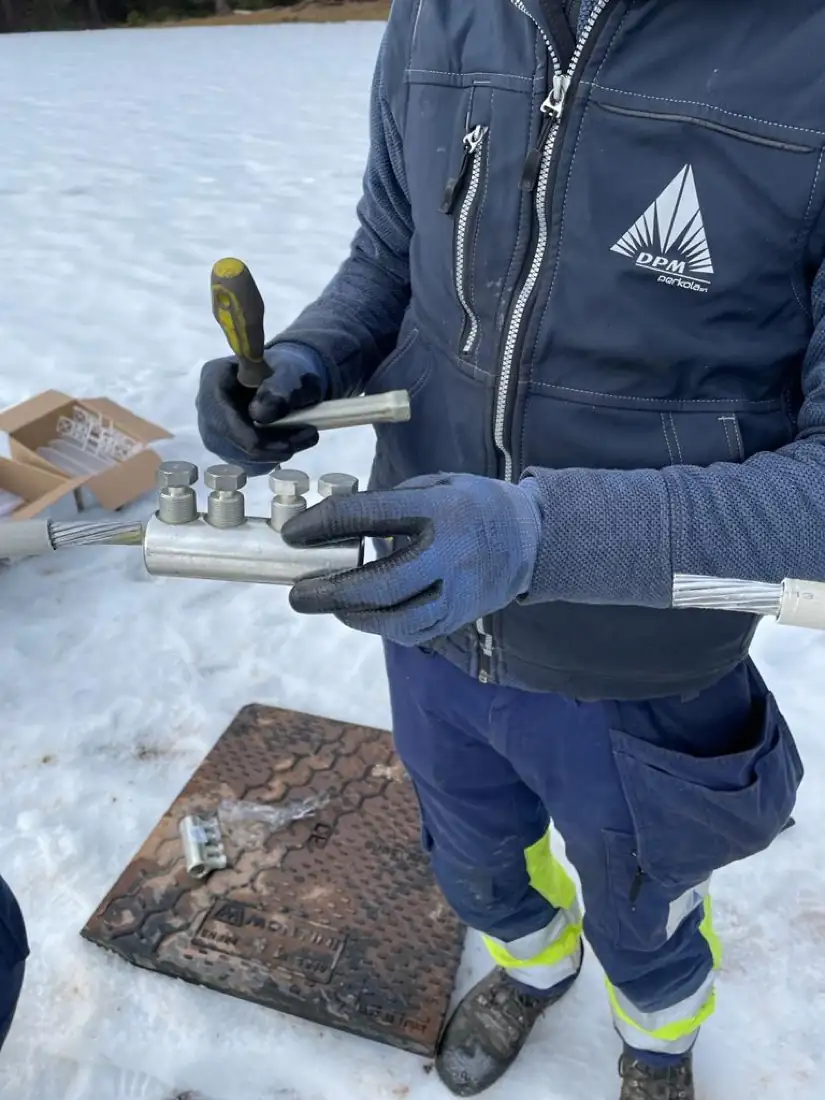
All of this, however, rests on physical infrastructure. A remote-control system works only if the substations are reached by a reliable connection, if the cables are sized for the new flows, and if the technical rooms have space for the metering and switching equipment. This is where our work sits.
In our work on transformer substations and medium-voltage lines we install ducts and fibre for data transmission, space and supplies for the equipment, and full documentation of the network as built. Even when the automation is installed later, the infrastructure is already there to receive it: reopening a trench to add a forgotten duct costs far more than laying it straight away.
From the blog
Work with us: we're looking for new talent
We are looking for technical profiles to join our growing team.
How to choose the right partner for your networks
The criteria that make the difference when entrusting a public-utility work.
Innovation and quality in our works
How technology and method improve every job site.